A successful potato harvest often depends on the preparation that takes place before planting begins. As the long rains season approaches, proper land preparation becomes critical for achieving strong yields.
Potato production is a major enterprise during the long rains period from March to July. To create the best conditions for crop development, farmers should follow three key stages of land preparation.
Primary Cultivation
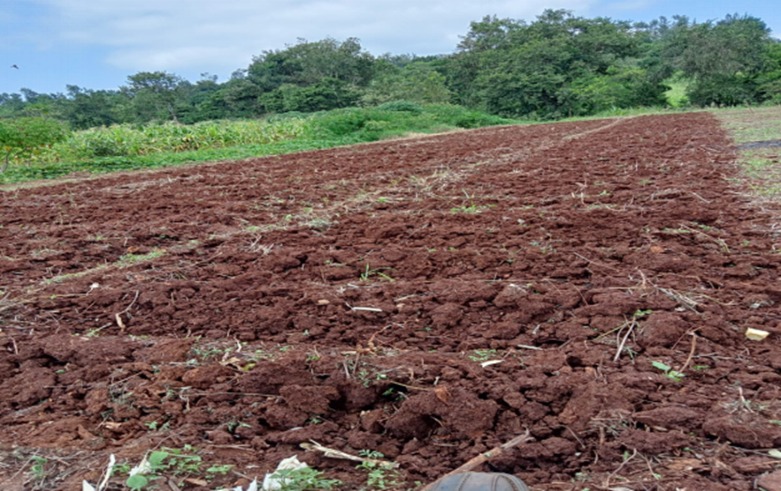
This stage involves clearing the field, removing crop residues, and deep ploughing the soil. The objective is to loosen the soil, incorporate organic matter, and improve soil structure. This process also helps bury weeds and reduce pest and disease carryover.
Secondary Cultivation
After primary tillage, harrowing breaks down large soil clods to create a fine seedbed. This supports uniform sprouting and encourages the development of stolons—underground stems that later form tubers.
Deep Cultivation and Ridging
Tilling the soil to a depth of approximately 20–30 cm helps break compacted layers that may cause misshapen tubers. Farmers then form ridges to support healthy crop development.
Ridging plays several important roles:
- Allows tubers to expand freely in loose soil.
- Prevents greening caused by exposure to sunlight.
- Improves drainage during heavy rains and reduces disease risks.
Proper land preparation lays the foundation for a productive potato crop and improved farm returns.
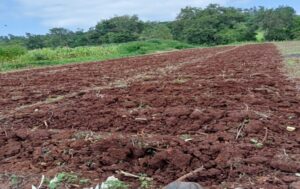
Figure 1 primary cultivation done manually using a hoe by a small-scale farmer.