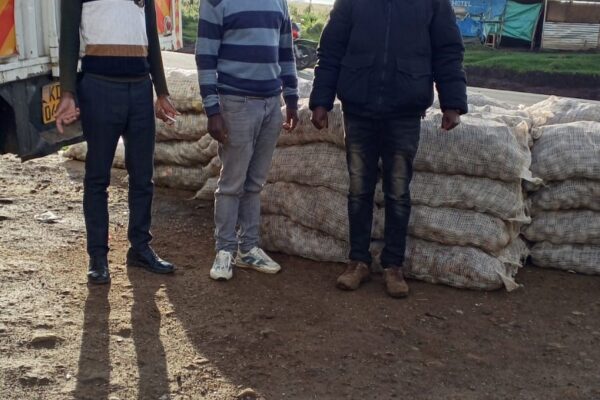
Threshing (Sorting and Curing): After harvesting, potatoes go through a sorting process to ensure only the best quality tubers make it to storage. During this stage, any unwanted materials such as stones, dirt, and plant waste are removed. The tubers are also checked for any signs of disease or pests. Sorting can be done by hand or with machines, and while manual sorting can be effective, using sorting machines is much more efficient and cost-effective. It is important to handle the potatoes carefully to avoid bruising, as this can affect their quality.

Potato sorting and grading
The Importance of Proper Curing and Conditioning: Once the potatoes are sorted, they need to be cured. Curing is a vital step in preserving the tubers, allowing them to heal from any wounds caused during handling. During curing, the potatoes are kept in a cool, well-ventilated area for about 1 to 2 weeks. The ideal temperature is between 16°C and 21°C, with about 90% humidity. This environment allows the potatoes to form a protective layer over any cuts or injuries, which helps to prevent further damage and the risk of infection from fungi or bacteria.
Curing is essential for successful storage because it helps the potatoes heal and avoid rotting. When curing is done correctly, the potatoes will develop a thick protective layer that helps keep them fresh. However, it’s important to adjust the curing conditions if the potatoes are damaged or diseased. For potatoes that are affected by rot or bacterial soft rot, for example, the humidity should be kept lower to prevent further damage.
There’s some debate about the best way to ventilate potatoes during curing. Generally, continuous airflow is recommended, especially if there’s any condensation or moisture buildup on the tubers. While a small amount of moisture is fine, too much can lead to rot.
In some rural areas, farmers might take a different approach before storing their potatoes. They’ll lay the tubers on straw or other bedding in a sheltered area for about two weeks. This practice helps any pests or worms that were collected during the harvest to fall off and die, aided by the scent of the plants like “muna” (a local herb) that deter pests.
Source: Post_Harvest_Compendium_-_Potato.pdf