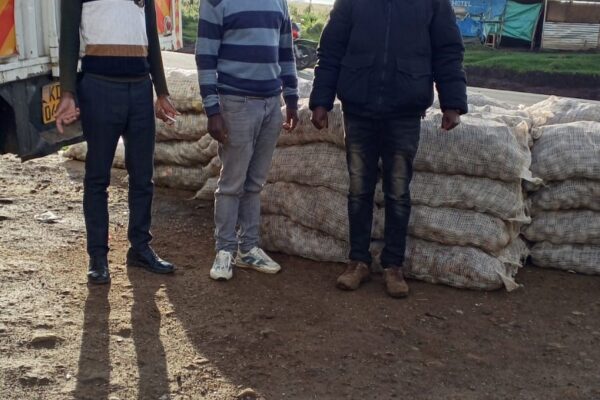
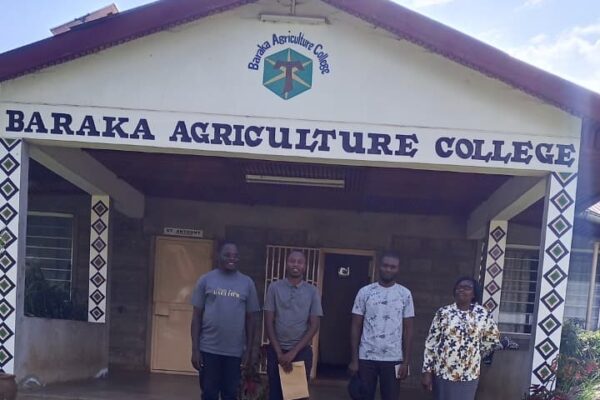
In a bid to improve productivity and market access for potato farmers in Kenya, National Potato Council of Kenya (NPCK) has adopted an innovative, farmer-centered approach, the Village-Based Advisors (VBAs) model. This model leverages the power of grassroots networks to deliver critical agricultural support while fostering sustainable livelihoods in potato-growing communities. VBAs are trained individuals within potato farming counties in the county to serve as key point of contact for farmer engagement. They are most the lead farmers in their areas and are carefully recruited and trained on several core aspects in the potato value chain. Some of these aspects include good agricultural practices, collective marketing through aggregation, collective purchase of farm inputs and certified seeds through viazi Soko digital platform and establishment and management of baby demonstration plots. Though these roles, VBAs serve as agents to equip fellow farmers with the knowledge and tools needed to enhance productivity, ad reduce the effects of post-harvest loses and access to better markets.
On the Viazi Soko digital platform, VBAs are instrumental in promoting a training farmer on the use of viazi Soko for easy access to farm inputs and extension messages. They earn a commission after registering farmers on the platform, demonstrate how to use the platform to access of farm inputs and seeds and help in transacting on behalf of the farmers on the platform. By connecting farmers directly to seed producers and agrochemical companies, viazi Soko helps reduce exploitation by middlemen, improve access to quality products, improve prices and ensure timely delivery of inputs.

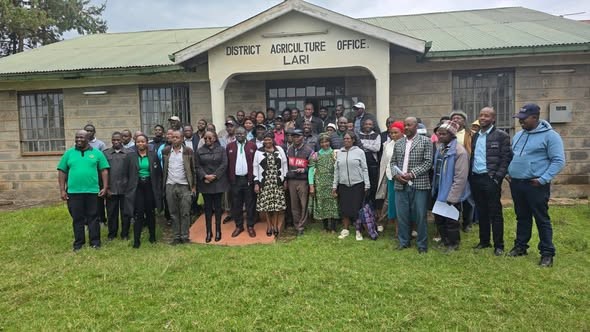
VBA training session in Meru County
On baby demos, VBAs with the help of NPCK field officers in different counties spearhead the establishment of baby demo plots where farmers can observe and participate in best farming practices in potato production. The demo showcases on site selection and land preparation, proper seed selection and planting methods, pest and disease management and fertilizer and irrigation practices. The VBAs get incentives for successfully registering farmers on viazisoko, helping farmers purchase inputs through viazi Soko and coordination collective marketing of ware potatoes. The incentives ensure motivation and accountability as well as creating new sources of income for the VBAs.
The VBA model has already shown promise in transforming the way farmers access information, markets, and inputs. By localizing extension services and digital innovation, NPCK is strengthening farmer networks, increasing productivity, and enhancing competitiveness in the potato sector. As the program scales, NPCK continues to refine its approach to ensure greater inclusivity, digitization, and sustainability, empowering more smallholder farmers and positioning Kenya’s potato sector for long-term growth.