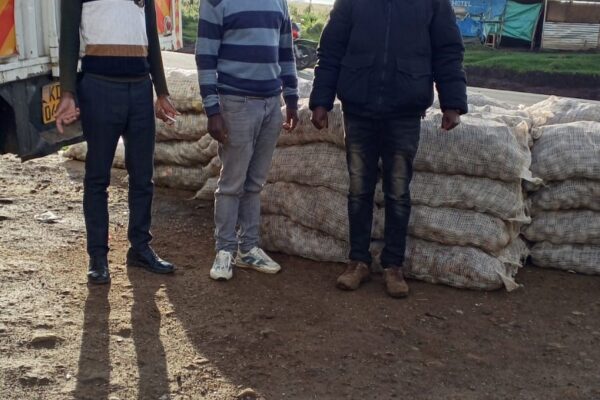
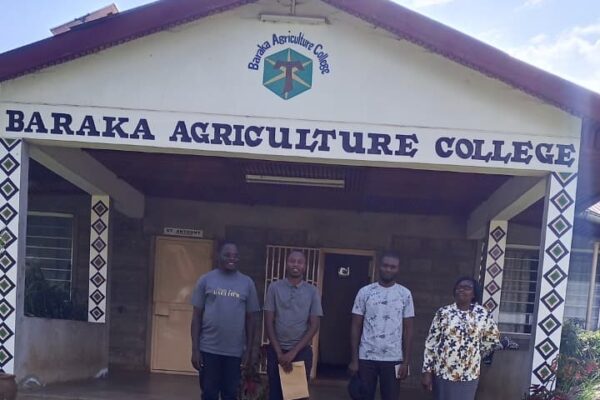
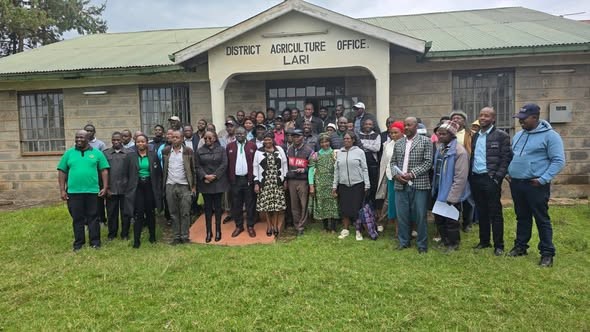
A robust quality assurance system for seed certification is essential to guarantee a consistent supply of high-quality seed. In Kenya, potato farming serves as a critical source of food, income, and employment for thousands of smallholder farmers. However, low yields and frequent crop failures are often attributed to the use of uncertified or poor-quality seed. To address this, the Kenya Plant Health Inspectorate Service (KEPHIS) plays a pivotal role in transforming the potato industry through a well-structured seed potato certification process. This process ensures the production of high-quality seed, maintains varietal purity, and enhances overall productivity. As part of its mandate to uphold seed quality standards, KEPHIS has trained private seed inspectors from the National Potato Council of Kenya (NPCK) under the Kenya Sustainable Potato Initiative, a project funded by AGRA
What Is Seed Potato Certification?
Seed potato certification is a quality assurance process that ensures only healthy, true-to-type, and disease-free seed potatoes are approved for sale and use. This process is governed by the Seeds and Plant Varieties Act (Cap 326) and international standards like OECD seed schemes. Certification involves several stages: variety testing and release, field inspections, processing, labelling, sealing, and post-control monitoring.
Step 1: Variety Testing and Release
Before any seed is certified, the potato variety must be tested and registered. Two key tests are conducted:
- National Performance Trials (NPTs): These assess yield, adaptability, and disease resistance across multiple agro-ecological zones.
- DUS Testing (Distinctness, Uniformity, and Stability): This ensures each variety is uniquely identifiable, consistent, and maintains its traits across seasons.
Only varieties that meet the required performance and identity standards are approved for release and listed in the National Variety Index.
Step 2: Field Inspection and Seed Production
Once a variety is approved, seed production begins under strict guidelines. KEPHIS inspects fields at multiple stages to monitor:
- Disease presence (e.g., bacterial wilt, late blight)
- Off-types and varietal purity
- Compliance with spacing, weeding, ridging, and pest control practices
Only seed from fields that pass all inspections is approved for further processing.
Step 3: Processing, Labelling, and Sealing
Seed processing includes grading, cleaning, sorting, and packaging. Potato seed lots are assessed for:
- Tuber size and uniformity
- Absence of damage, deformities, and diseases
- Compliance with set standards for scab, dry rot, rhizoctonia, and other pathogens
Approved lots are sealed and labelled with tamper-proof seals and color-coded tags.
Step 4: Post-Control Testing
Even after certification, samples from certified seed lots are grown in post-control plots to verify that varietal characteristics remain unchanged and free from seed-borne diseases. This process is key in detecting issues like mechanical mixtures or rogue off-types that may have slipped through earlier stages.
Stakeholders—including seed companies, breeders, and ministry officials—participate in joint observation tours to validate the scoring and results.
Why Seed Potato Certification Matters
- Higher Yields: Certified seeds have proven performance, leading to better yields and income.
- Disease Management: Reduces spread of pests and diseases like potato tuber moth and late blight.
- Market Access: Certified potatoes are more acceptable in structured markets.
- Trust and Traceability: Farmers can trust the origin, quality, and performance of certified seed.
Conclusion
KEPHIS’s seed potato certification system ensures that only high-quality, disease-free, and productive seed reaches Kenyan farmers. From laboratory testing to field inspections, this rigorous process plays a vital role in safeguarding food security, protecting farmers’ livelihoods, and strengthening the potato value chain. In collaboration with the National Potato Council of Kenya (NPCK) and with support from the AGRA under the Kenya Sustainable Potato Initiative, KEPHIS has also trained private seed inspectors to expand the reach and effectiveness of seed certification services. This partnership is key to improving seed quality, boosting yields, and transforming potato farming across the country.