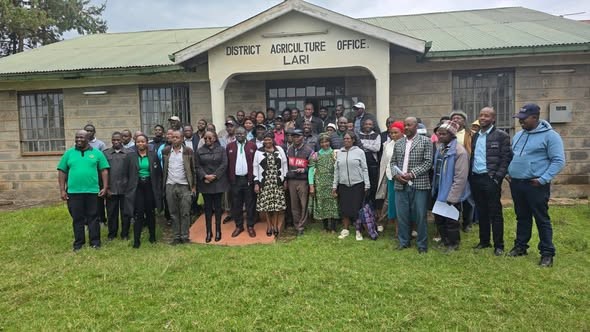
Following a national conversation sparked by a recent Citizens TV feature on apical cutting—(https://www.youtube.com/watch?v=pQPY-J0f8Ow )dubbed Kenya’s Gold—the National Potato Council of Kenya (NPCK) took the discussion beyond the studio and into the field. On 27th January 2026, NPCK led a hands-on practical session at Hanna Roses, translating theory into action and demonstrating how innovation is reshaping
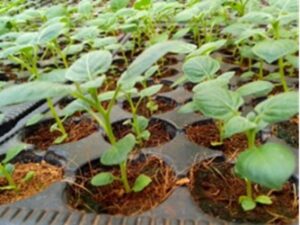
Rams apical cuttings
Apical cutting, a rapid seed multiplication technology, has emerged as a game-changer for a sector long constrained by low-quality seed, disease pressure, and limited access to certified planting material. The Citizens TV interview brought this technology to the national spotlight. The visit to Hanna Roses grounded that spotlight in reality—showing what works, how it works, and why it matters.
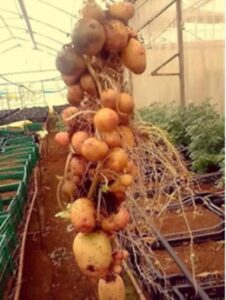

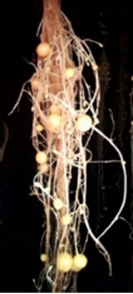
Wanjiku apical cuttings in hydroponics- 134 tubers
At the Hanna Roses facility, participants walked through the full apical cutting process: from selection of clean mother plants to precise cutting techniques, nursery management, and hardening protocols. Intent
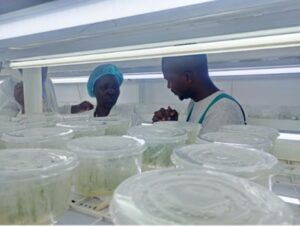
Mr. Emmanuel Terer, Kenya’s Gold host with Dr. Dinah Borus NPCK at Hanna Roses Tissue Culture lab
Apical cuttings increases the availability of clean seed, shortens multiplication cycles, lowers costs for farmers, and boosts productivity per acre. For a country where potatoes are both a food security crop and a commercial lifeline for hundreds of thousands of households, this shift is structural, not incremental.
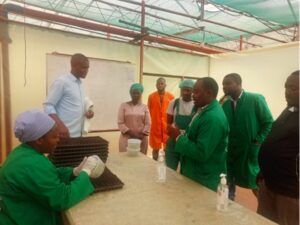
Beyond local impact, the practical session forms part of Kenya’s broader visibility drive ahead of the 13th World Potato Congress (WPC) 2026, to be hosted in Naivasha. As the first time the Congress will be held in Africa, Kenya is positioning itself not just as a host, but as a serious contributor to global potato innovation.