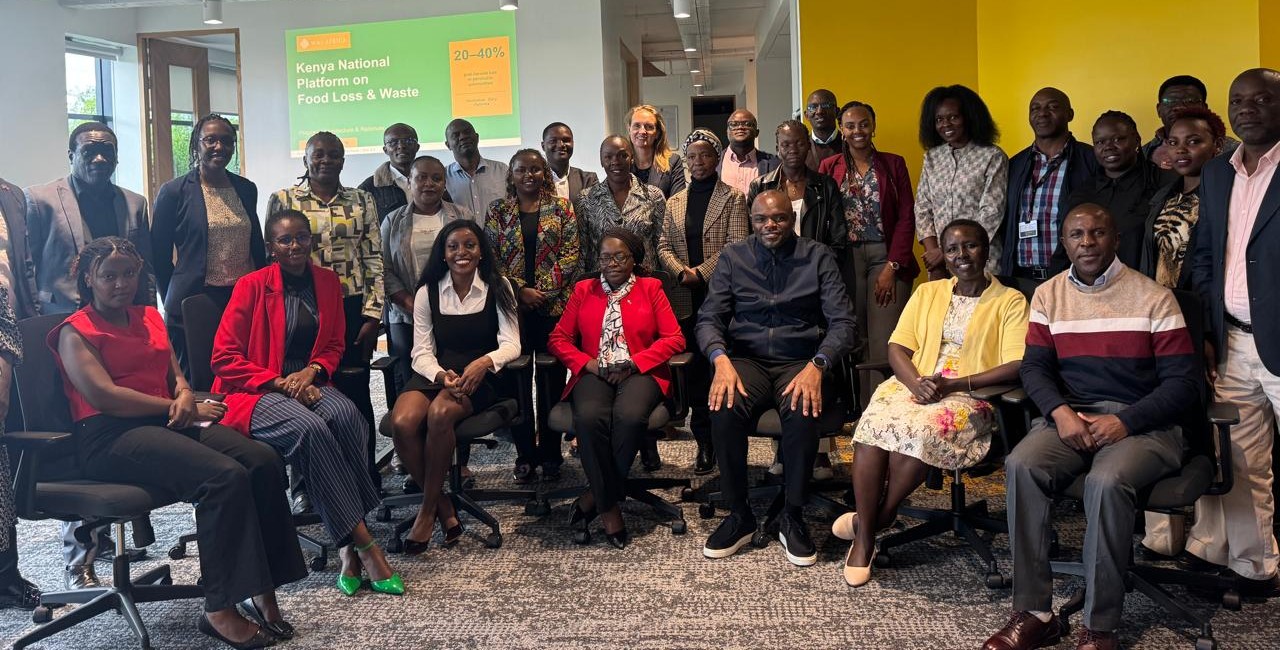
On 5th May 2026, the National Potato Council of Kenya (NPCK) participated in a one-day stakeholder forum focused on identifying homegrown solutions to address food loss and food waste in Kenya. The forum highlighted the urgent need for collective action to curb the significant losses occurring along the country’s food supply chains, which continue to undermine food security, economic growth, and environmental sustainability.
Recent studies estimate that Kenya loses between 30 and 40 percent of food produced along the supply chain, amounting to approximately 9 million tonnes of food valued at KES 72 billion (about US$578 million) annually. These losses occur at various stages, including harvesting, handling, storage, transportation, processing, and consumption.
Among key commodities assessed in the study, fresh fruits recorded the highest losses at 56 percent, followed by maize at 36 percent and fish at 34 percent. Potatoes ranked fourth, with losses estimated at 23 percent, underscoring the need for targeted interventions to improve post-harvest management and reduce wastage within the potato value chain.
The challenge is not unique to Kenya. Globally, approximately one-third of all food produced for human consumption is either lost or wasted, representing nearly 1.3 billion tonnes of food each year. These losses have far-reaching implications, including reduced farmer incomes, increased pressure on natural resources, and missed opportunities to improve food and nutrition security.
Convened by the World Resources Institute (WRI), the forum brought together representatives from government agencies, private sector organizations, development partners, research institutions, and other stakeholders. The meeting sought to develop a shared understanding of food loss and food waste in Kenya while laying the groundwork for the establishment of a National Food Loss and Waste (FLW) Platform.
A central question during the discussions was whether Kenya requires a dedicated platform to coordinate efforts on food loss and food waste reduction. Guided by the recently launched Kenya Post-Harvest Management Strategy for Food Loss and Waste Reduction (2024–2028) and informed by the alarming levels of food loss across the country, stakeholders unanimously agreed on the need for a dedicated national platform.
The proposed platform is expected to serve as a coordination mechanism for stakeholders working across different food systems, facilitating knowledge sharing, policy engagement, resource mobilization, and implementation of interventions aimed at reducing food loss and waste. Participants further discussed the platform’s purpose, objectives, governance structure, and priority areas to ensure it effectively supports the implementation of national strategies and promotes collaboration among key actors.
As the convener of the forum, WRI committed to continuing stakeholder consultations and engagement as the platform evolves into an operational framework capable of driving meaningful change across Kenya’s food systems.
The meeting concluded with a strong call to action. Participants recognized that reducing food loss and food waste is a shared responsibility that requires action from producers, traders, processors, retailers, consumers, policymakers, and development partners alike. Each stakeholder pledged to become a champion for food loss and food waste reduction within their respective sphere of influence.
The forum marked an important step towards building a coordinated national response to one of the most pressing challenges facing Kenya’s food systems. By working together to reduce food loss and food waste, the country can strengthen food security, improve livelihoods, increase resource efficiency, and contribute to a more sustainable and resilient agricultural sector.