 Kenya’s potato industry is set to have a new long-term roadmap as stakeholders move forward with the development of the National Potato Master Plan, a 10-year framework aimed at addressing persistent challenges and unlocking new opportunities across the value chain.
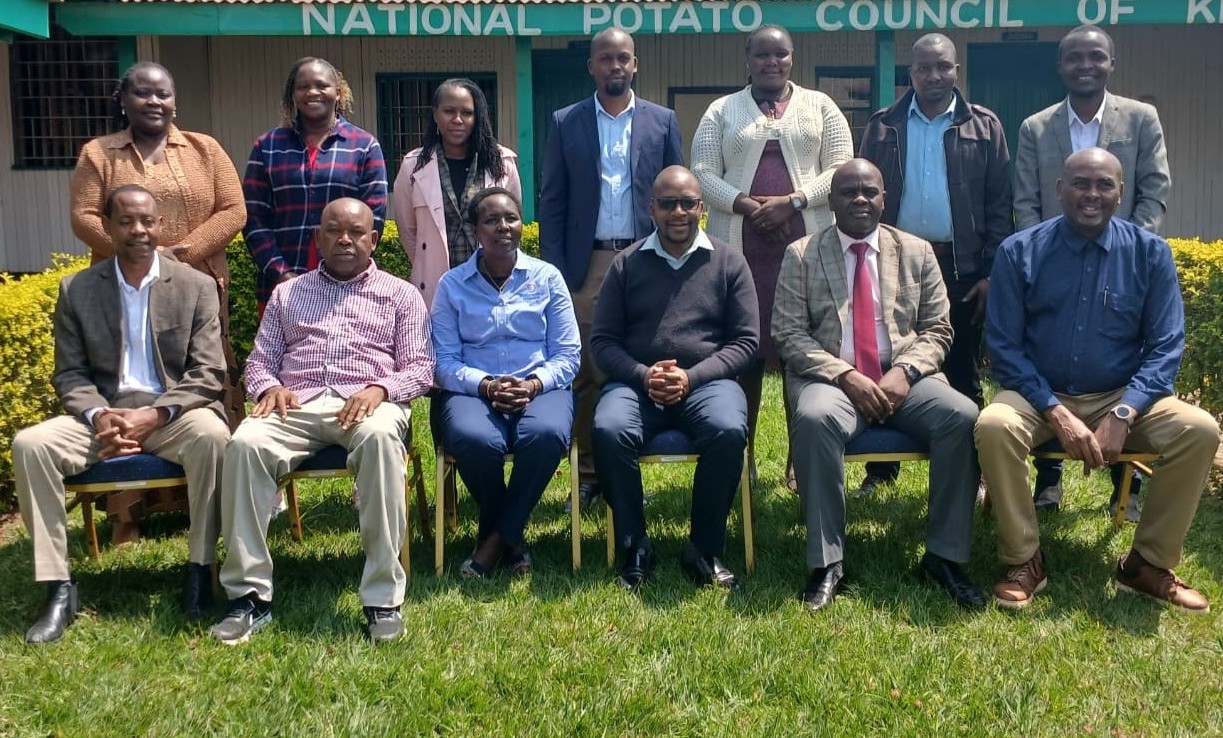
The National Potato Council of Kenya (NPCK), through the Kenya Sustainable Potato Initiative (KSPI) and in collaboration with the International Potato Center (CIP), convened the second National Potato Master Plan Committee meeting on 29 July 2026. The meeting marked another step towards developing a coordinated strategy to guide the growth and transformation of the industry.
At the meeting, the committee validated the National Potato Strategy (2021–2025) Impact Assessment Desk Report, providing an opportunity to reflect on progress made under the previous strategy and identify areas requiring greater attention. The lessons emerging from the assessment will help shape priorities for the new Master Plan.
With potato production spread across several counties and involving farmers, seed producers, researchers, government agencies, traders, processors and other private-sector players, the industry faces challenges that require coordinated solutions. These include access to quality seed, productivity, pest and disease management, market access, value addition, climate-related risks and competitiveness.
The proposed Master Plan will therefore go beyond production to address the wider potato value chain. It will identify priority interventions, technologies and innovations that can increase productivity, strengthen market linkages, improve competitiveness and support sustainable growth.
The plan will also be aligned with national development priorities, including Kenya Vision 2030, the Agricultural Sector Transformation and Growth Strategy (ASTGS) 2019–2029 and the Bottom-Up Economic Transformation Agenda (BETA). This alignment is expected to strengthen the contribution of the potato industry to food and nutrition security, employment, farmer incomes and economic growth.
A key next step will be an impact assessment in selected potato-producing and marketing counties. The exercise will bring the planning process closer to farmers and other value-chain actors, allowing their experiences, priorities and perspectives to inform the Master Plan. The process will also address the legal and institutional requirements necessary for its development and eventual implementation.
The committee brings together representatives from the Ministry of Agriculture and Livestock Development, Agriculture and Food Authority, Kenya Plant Health Inspectorate Service, Kenya Agricultural and Livestock Research Organization, International Potato Center, National Potato Council of Kenya, county governments and other industry stakeholders.
As Kenya seeks to build a more productive and resilient potato industry, the Master Plan provides an opportunity to move from fragmented interventions towards a shared long-term vision. Its success will ultimately depend on how well the priorities identified are translated into practical actions that deliver results for farmers and the wider potato value chain.