By Steve Mungai,
Potato farming is a key agricultural activity in Kenya, supporting food security and livelihoods for millions of smallholder farmers. Potatoes are highly sensitive to rainfall patterns, and their success depends on timely, well-distributed, and adequate rain.
As of early 2026, Kenya has just experienced one of the driest short rain seasons in decades, leaving many regions with depleted soil moisture and heightened food insecurity. The upcoming March–May long rains are thus critical for potato planting, growth, and food security this year.
Current climate context
The October–December 2025 short rains delivered only 30–60% of normal rainfall in many areas, particularly in arid and semi-arid lands (ASALs). This drought has pushed over 2 million Kenyans into crisis-level food insecurity and strained water resources.
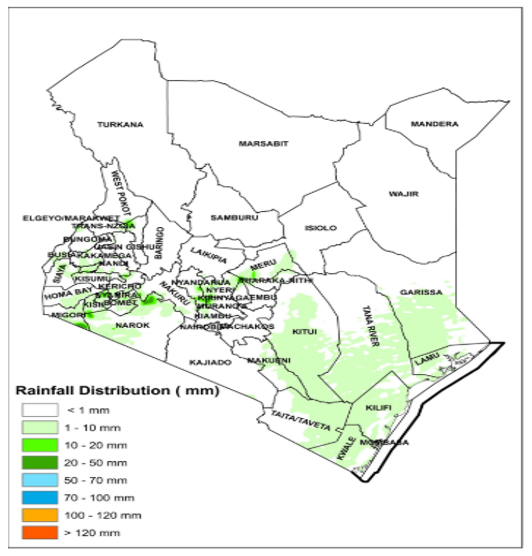
The Kenya Meteorological Department (KMD) projects near-average to above-average rainfall in most agricultural regions, including the Rift Valley, Lake Victoria Basin, and central highlands. However, distribution may be uneven, with intermittent dry spells. ASALs and coastal areas may still experience below-average rainfall, highlighting the need for adaptive farming strategies.
Opportunities for Potato Farmers
The long rains present several opportunities:
- Replenishing soil moisture
Soil moisture lost during the dry short rains can be restored, promoting uniform germination and strong root development for seed potatoes. - Favorable rainfall in key regions
Central and western highlands and Rift Valley regions, where potato farming is concentrated, are likely to receive adequate rainfall. This reduces the need for costly irrigation. - Timely planting
Farmers can prepare land and plant as rain begins in March, with peak rainfall in April. Early planting allows crops to establish before potential dry spells or disease outbreaks. - Reduced dependence on irrigation
Many smallholders rely on rain-fed agriculture. The long rains can lower production costs while boosting yields without additional irrigation infrastructure.
Challenges and risks
- Uneven rainfall
Some regions, especially northeastern Kenya, southeastern lowlands, and the coast, may receive below-average rainfall, causing uncertainty in planting schedules and yields. - Increased pest and disease pressure
Heavy rains and humidity favor diseases such as late blight (Phytophthora infestans) and bacterial infections, which can reduce both yield and quality. - Disrupted farm operations
Persistent rainfall can delay land preparation, planting, and crop management. Muddy fields increase labor demands and may affect timely interventions. - Post-harvest risks
Excessive moisture during harvest can lead to waterlogged tubers, poor drying, and higher post-harvest losses, affecting income and market supply.
Best practices
- Construct ridges and improve furrow drainage to allow rapid water absorption and reduce waterlogging risks.
- Use high-quality certified seeds for better emergence, disease resistance, and higher yields under variable rainfall.
- Scout fields regularly, use resistant varieties and apply fungicides in a timely manner to minimize disease impact.
- Utilize local weather forecasts and extension services to guide planting and crop management decisions.