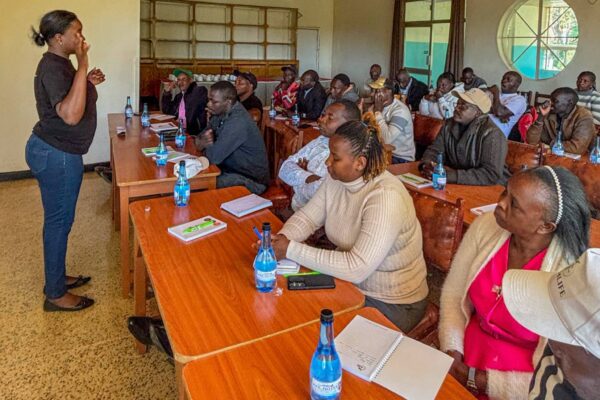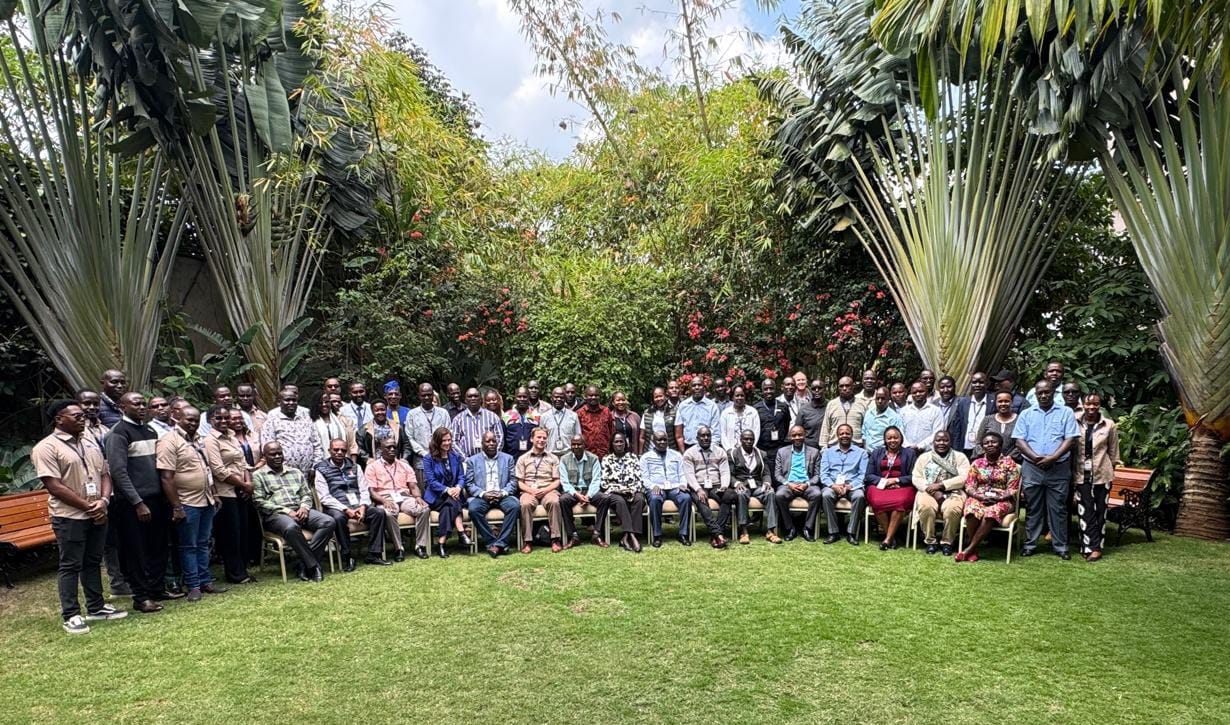
 The National Potato Council of Kenya (NPCK) joined potato value chain stakeholders at the FIPS-Africa validation workshop held on 18–19 August 2026 at Sarova Woodlands Hotel in Nakuru, where findings on decentralized seed potato systems were reviewed.
The workshop validated findings from a decade of implementation of the Decentralized Seed Potato Multiplier (DSM) and Village-Based Advisor (VBA) models by FIPS-Africa in collaboration with potato sector stakeholders in Meru, Nandi and Nakuru counties.
A key finding presented during the workshop was that more than 70 per cent of respondents no longer source potato tubers for planting from the ware potato market. Instead, farmers are increasingly seeking quality planting material from known DSMs, who use Rooted Apical Cuttings (RACs) as their starting material.
The shift points to growing awareness among farmers of the importance of quality seed in potato production and the role of decentralized seed systems in making clean planting material more accessible at local level.
NPCK was recognized as one of FIPS-Africa’s partners during the implementation of the Accelerated Value Chain Development (AVCD) project, which championed the introduction of RACs and the DSM model in Kenya’s potato sector.
Through the initiative, FIPS-Africa has also built the capacity of agripreneurs to manage a RAC production facility in Nakuru County. The facility currently produces more than one million RACs annually, based on demand.
To further improve access to planting material, NPCK has integrated RAC distribution into the ViaziSoko digital platform, providing farmers with an additional avenue to connect with sources of quality planting material.
The partnership will also extend to the 13th World Potato Congress (WPC 2026), with FIPS-Africa set to play a key role in the RAC thematic workshop. The session will provide an opportunity for stakeholders to share experiences, examine lessons from decentralized seed systems and explore innovations for strengthening access to quality seed potatoes.
The developments highlight the growing role of locally based seed systems and innovative technologies in addressing seed access challenges and strengthening productivity across Kenya’s potato value chain.