By Mercy Wambui
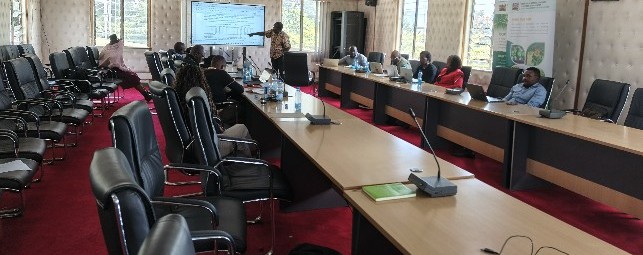
The National Potato Council of Kenya (NPCK) participated in a Kenya Standing Technical Committee on Imports and Exports (KSTCIE) meeting held at Kilimo House on 30th March 2026. The meeting brought together companies involved in the development of biological inputs, including biofertilizers, biostimulants, biopesticides, and other bio-agents under consideration for use in agriculture.
The Kenya Standing Technical Committee on Imports and Exports (KSTCIE) plays a central role in safeguarding Kenya’s agricultural systems by regulating the importation and exportation of potato seed and related planting materials. Through its mandate, the committee ensures compliance with phytosanitary and quality standards, thereby reducing the risk of introducing harmful pests, diseases, and invasive pathogens into the country.
A key function of the committee is the evaluation of applications for the importation of new potato varieties, tissue culture materials, and seed stocks. This process enables controlled access to improved and disease-free germplasm, which is essential for strengthening seed multiplication systems and enhancing productivity within the potato sector. In doing so, KSTCIE contributes to the development of a sustainable and high-quality seed potato value chain in Kenya.
In addition to seed regulation, the committee oversees the introduction of live organisms and biological products in line with the Guidelines for Introduction and Use of Bioproducts, Biological Control Agents, and Related Products. These products include biological control agents, biofertilizers, biostimulants, organic fertilizers, and other regulated agricultural inputs. In this process, KEPHIS serves as the secretariat, coordinating risk assessment procedures to determine the safety and suitability of such products before approval.
Once products successfully undergo risk assessment, they are referred to relevant research institutions for efficacy evaluation and, where appropriate, further consideration for registration. This ensures that only safe, effective, and scientifically validated bio-inputs are made available to farmers.
During the meeting, companies developing biopesticides presented their products for consideration for efficacy trials under the Pest Control Products Board (PCPB) framework. The committee also reviewed field trial reports for biofertilizers and biostimulants that had previously been approved by KEPHIS for trials. The review process focused on assessing their performance and determining their suitability for accreditation and eventual registration for use by farmers.
Through such engagements, KSTCIE continues to strengthen regulatory oversight while promoting innovation in sustainable agricultural inputs. This balanced approach ensures that safety, science, and innovation work together to support a resilient and productive potato sector in Kenya.