The 2026 long rains offer a chance to replenish soil moisture through early planting. Success depends on proactive disease scouting for late blight and implementing robust drainage to prevent waterlogging.
The March–May 2026 long rains provide a crucial opportunity for farmers to recover from the severe drought experienced in late 2025. While the Kenya Meteorological Department projects near-average to above-average rainfall in key regions like the Rift Valley, the distribution is expected to be uneven. Farmers must take advantage of these rains to replenish soil moisture, which is essential for uniform germination and early plant development.
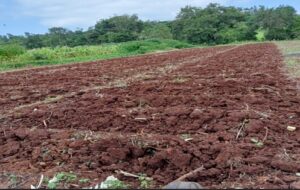
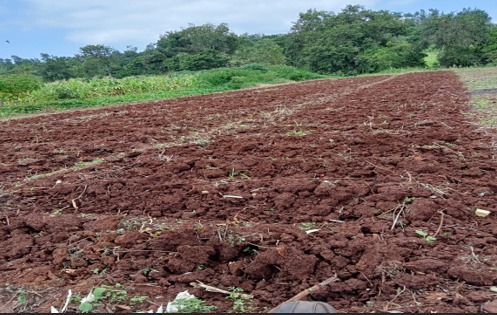
Early planting is strongly recommended for the 2026 season to maximize the use of available moisture. By preparing land and planting as soon as the rains begin in March, crops can establish themselves before any mid-season dry spells or peak disease periods. This strategy also helps reduce production costs by minimizing the need for expensive irrigation infrastructure during the early growth stages.
However, increased moisture also brings a higher risk of pests and diseases, particularly late blight. Conditions during heavy rains favor the rapid spread of fungal and bacterial infections, requiring farmers to be proactive in scouting their fields and applying fungicides in a timely manner. Furthermore, persistent rains can make fields muddy and difficult to manage, potentially delaying critical agricultural interventions and harvest.
To mitigate these risks, farmers should construct sturdy ridges and improve furrow drainage to prevent waterlogging and tuber rot. Using high-quality certified seeds is even more important during wet seasons for better disease resistance and general resilience. Staying informed through local weather forecasts and extension services remains vital for making effective management decisions throughout the season.