 Kenya’s potato industry is undergoing a significant transformation. Once viewed primarily as a food security crop, the potato has increasingly become a strategic value chain capable of creating jobs, generating income, supporting agribusiness growth, and strengthening rural livelihoods. This transformation is being driven by deliberate efforts to improve seed systems, enhance farmer knowledge, strengthen market linkages, and promote innovation across the sector.
Recent initiatives spearheaded by the National Potato Council of Kenya (NPCK) and its partners demonstrate the importance of a coordinated approach to sector development. From strengthening Rooted Apical Cutting (RAC) systems and engaging seed stakeholders, to supporting field-based learning under the Kenya Sustainable Potato Initiative (KSPI), these interventions are helping address long-standing challenges that have constrained productivity and profitability.
One of the most critical issues facing potato farmers remains access to quality seed. The continued engagement of seed stakeholders and promotion of improved seed technologies are essential steps towards increasing the availability and accessibility of certified planting material. Quality seed is the foundation of successful potato production, influencing yields, disease management, and overall farm profitability.
At the same time, knowledge dissemination remains a powerful tool for improving productivity. Practical information on seed handling, recommended agronomic practices, and climate-smart farming approaches equips farmers with the skills needed to maximize returns from their investments. As weather patterns become increasingly unpredictable, timely advisories such as guidance on navigating the long rains are becoming indispensable for reducing production risks.
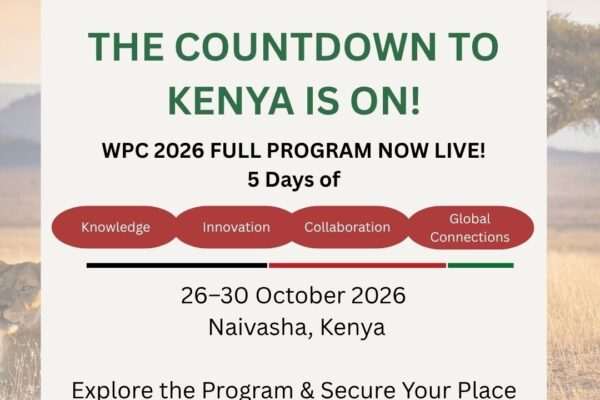
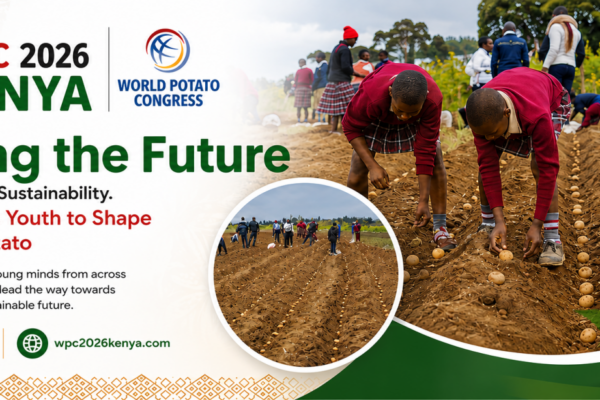
The sector’s growth also depends on creating opportunities for learning, research, and international collaboration. The preparations for the World Potato Congress 2026 signal Kenya’s growing prominence in global potato discussions. The newly launched travel bursary programme further demonstrates a commitment to ensuring that researchers, students, and industry professionals can participate in knowledge exchange and contribute to shaping the future of the sector.
Equally important is the regulatory environment. The implementation and awareness of the Irish Potato Regulations 2019 provide a framework for promoting quality standards, protecting farmers, and enhancing market competitiveness. Effective regulation, coupled with stakeholder compliance and awareness, is vital for sustaining gains made within the industry.
The future of Kenya’s potato sector will not be determined by a single project, institution, or innovation. Rather, it will be shaped by sustained collaboration among farmers, researchers, seed producers, development partners, government agencies, and private sector actors. The activities currently taking place across the value chain demonstrate that such collaboration is possible and productive.
As the sector continues to evolve, stakeholders must maintain momentum by investing in research, strengthening seed systems, supporting farmer education, and creating enabling policies. By doing so, Kenya can unlock the full potential of its potato industry, improve livelihoods, and position itself as a leading player in the regional and global potato economy.