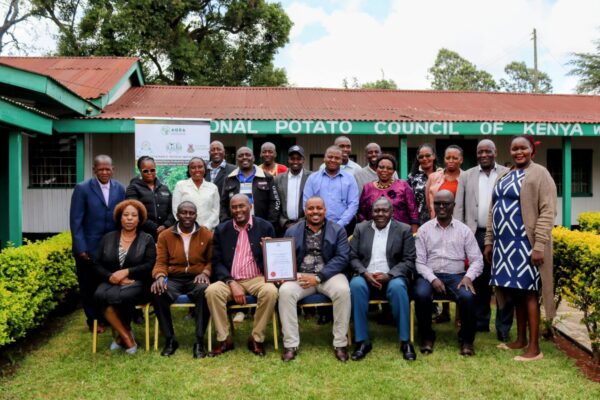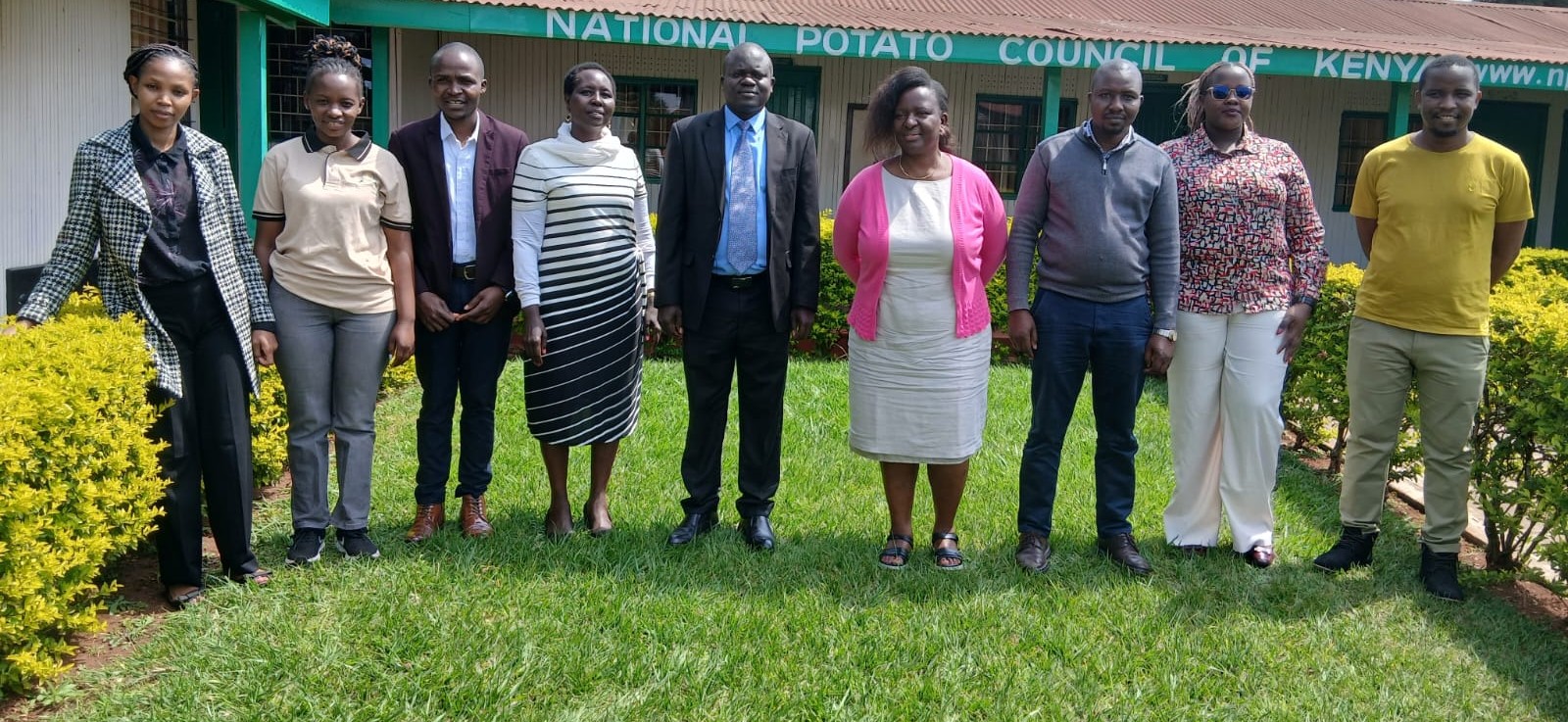
 As part of ongoing efforts to strengthen Kenya’s seed potato sector, the National Potato Council of Kenya (NPCK), through the Kenya Sustainable Potato Initiative (KSPI) supported by AGRA, convened a consultative meeting on 29th June, 2026 to review the Seed Potato Production Training Materials for Rooted Apical Cuttings (RACs).
The meeting brought together technical experts from the State Department for Agriculture, KEPHIS, KALRO Potato Research Centre-Tigoni, FIPS-Africa, and NPCK to review and harmonize training materials that will guide the production and management of Rooted Apical Cuttings (RACs).
Rooted Apical Cuttings technology is increasingly gaining recognition as an efficient and cost-effective approach to producing quality seed potato. However, the lack of harmonized training materials and standardized operating procedures has posed a challenge to ensuring consistency in training, screenhouse management, and production practices. The consultative meeting sought to address this gap by aligning existing training content with current technical recommendations and industry best practices.
 Discussions focused on key aspects of RAC production, including mother plant management, rooting and curing, field establishment, crop management, and screenhouse operations. Participants also reviewed the need for standardized operating procedures to guide RAC production and strengthen quality assurance across the seed potato value chain.
Once finalized, the harmonized training materials will serve as a valuable resource for trainers, extension officers, seed producers, and youth entrepreneurs engaged in RAC production. The materials are expected to strengthen technical capacity, support the wider adoption of RAC technology, and contribute to improved access to quality seed potato for smallholder farmers.
The meeting underscored the importance of collaboration among public and private sector stakeholders in strengthening Kenya’s seed potato system. Through the Kenya Sustainable Potato Initiative, NPCK remains committed to promoting innovation, building technical capacity, and supporting sustainable seed potato production to enhance the productivity and competitiveness of the potato sector.