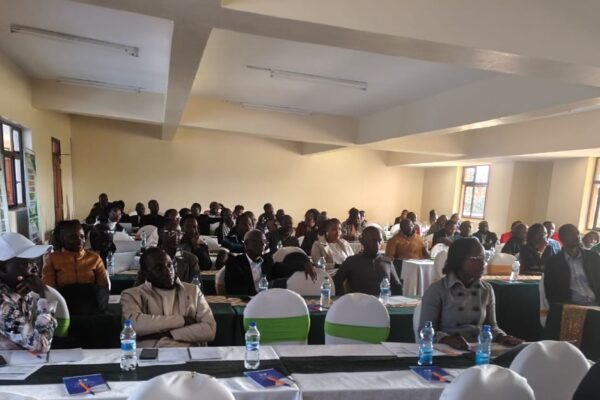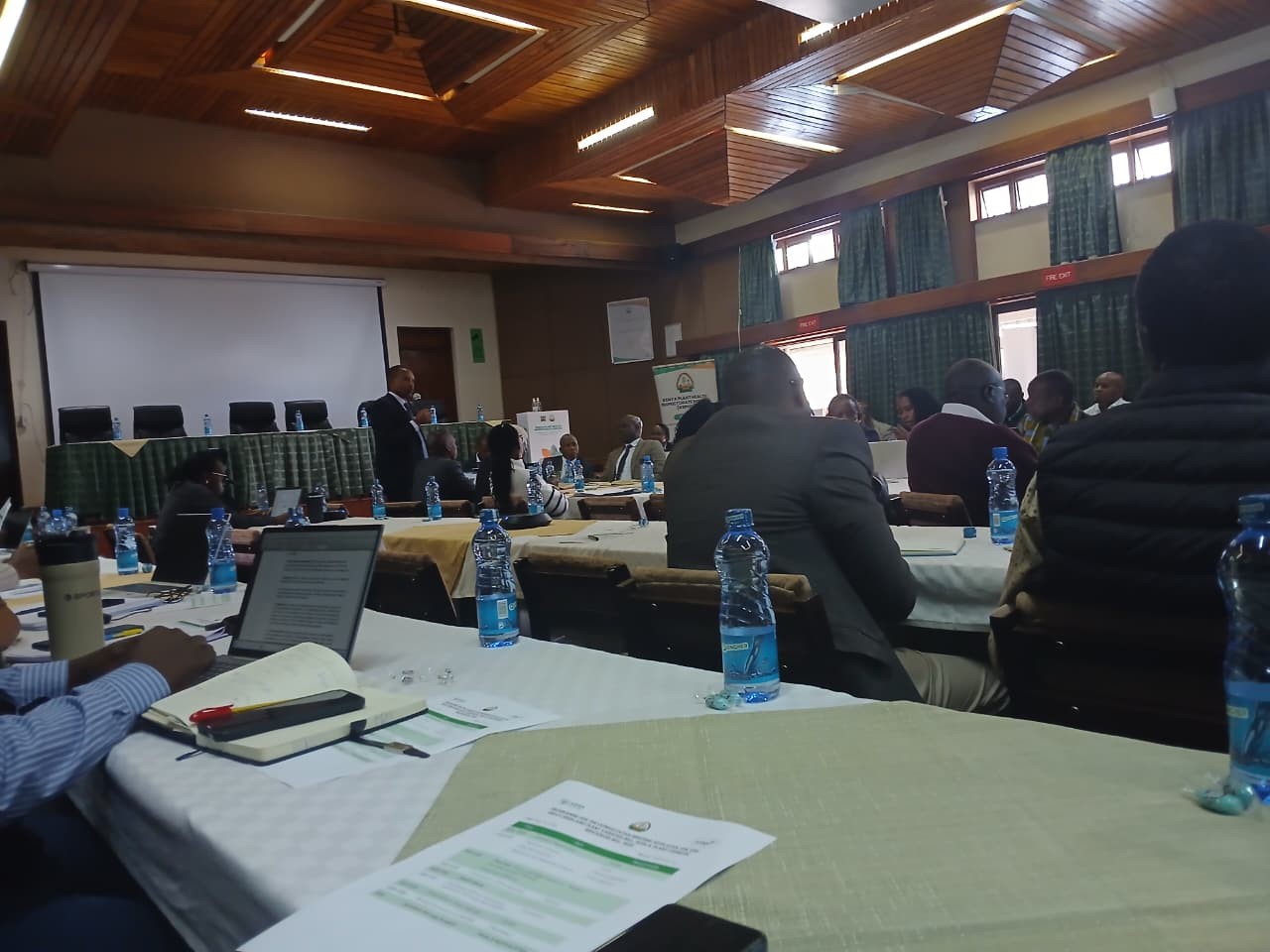

Participants during the stakeholders’ consolations on the seed bill
By Jack Odhiambo,
On 26th May 2026, NPCK participated in a stakeholder consultative meeting on the Seed and Plant Varieties Bill 2026. The meeting reviewed the Bill to address emerging seed sector issues following the Machakos High Court ruling that declared certain provisions of the Seed and Plant Varieties Act unconstitutional. Discussions focused on aligning the Bill with constitutional requirements while safeguarding seed quality standards. Present are seed stakeholders from across the value chain, the MoALD Agriculture Secretary, KEPHIS, STAK, NPCK, and other key actors.
The proposed Seeds and Plant Varieties Bill, 2026 is important bill aimed at strengthening Kenya’s seed sector and improving national food and nutrition security. Quality seed is one of the most critical inputs in potato production, and the Bill seeks to ensure that farmers have access to reliable, high-quality seed while promoting sustainable growth of the potato industry and agricultural sector at large. The Bill provides a comprehensive framework for the evaluation, release, registration, production, certification,
distribution, sale, importation, and exportation of seed. It also establishes clear roles for national and county governments, research institutions, seed companies, farmers, and other stakeholders in supporting the development of a vibrant and competitive seed industry.
One of the key benefits of the Bill is the promotion of quality assurance throughout the seed value chain. The proposed law requires seed producers, merchants, and sellers to comply with established standards before seed is marketed to farmers. This will help reduce the circulation of counterfeit, low-quality seed that often leads to poor crop performance and income loss to the farmers. The Bill also strengthens accountability by requiring seed producers to provide accurate information about the seed they sell, including its quality and characteristics. This will enhance farmer confidence in the seed market and contribute to increased agricultural productivity, improved crop yields, and greater resilience to pests, diseases, and climate-related challenges.
Another significant feature of the Bill is the recognition and protection of farmers’ rights and indigenous seed systems. For many years, farming communities across Kenya have conserved, exchanged, and improved local seed varieties that are well adapted to their environments. The Bill acknowledges the important role these farmer-managed seed systems play in preserving agricultural biodiversity and strengthening food security. It protects farmers’ rights to save, use, exchange, and manage farm-saved seed while providing mechanisms for the registration and recognition of farmer varieties. The Bill also supports the establishment of community seed banks, which will help conserve local genetic resources, improve access to seed, and preserve valuable traditional knowledge for future generations. Through these provisions, farmers and communities will have greater participation in decisions affecting seed resources and benefit-sharing arrangements arising from the use of their varieties.
The Bill further promotes innovation, investment, and long-term seed security in Kenya. By providing protection for plant breeders’ rights, it encourages researchers and breeders to develop improved crop varieties that can contribute to higher productivity and better adaptation to changing climatic conditions. At the same time, the Bill seeks to ensure that improved varieties remain accessible and available to farmers in the public interest. It also introduces measures to strengthen national seed security, including the establishment of a strategic seed reserve to respond to emergencies such as droughts, floods, pest outbreaks, and seed shortages. Overall, the Seeds and Plant Varieties Bill, 2026 represents a balanced approach that supports farmers, encourages innovation, protects biodiversity, and creates a stronger foundation for a resilient and sustainable agricultural sector that can meet the food needs of current and future generations.