By Zipporah Mathuba,
 Small-scale farmers form the backbone of Kenya’s agricultural sector, yet they continue to face persistent challenges such as limited access to markets, high production costs, and unpredictable risks associated with weather and price fluctuations. These barriers often reduce profitability and hinder long-term growth. However, collective production and marketing have emerged as powerful solutions to these challenges, enabling farmers to work together, share resources, and improve their overall bargaining power.
The formation and strengthening of farmer groups such as the Usawa Potato Marketing Cooperative represent a transformative step toward addressing these challenges. By organizing farmers into structured groups, it becomes possible to aggregate produce, access inputs at lower costs, and negotiate better prices in the market. Economies of scale allow farmers to reduce expenses on seeds, fertilizers, and agrochemicals, while also making it easier to adopt modern farming technologies that enhance productivity.
Through collective action, farmers are better positioned to access reliable and high-value markets. Selling produce in bulk not only attracts larger buyers but also opens opportunities for securing contracts and participating in structured value chains. Additionally, organized farmer groups benefit from improved access to timely and accurate market information, empowering them to make informed decisions on production, pricing, and sales.
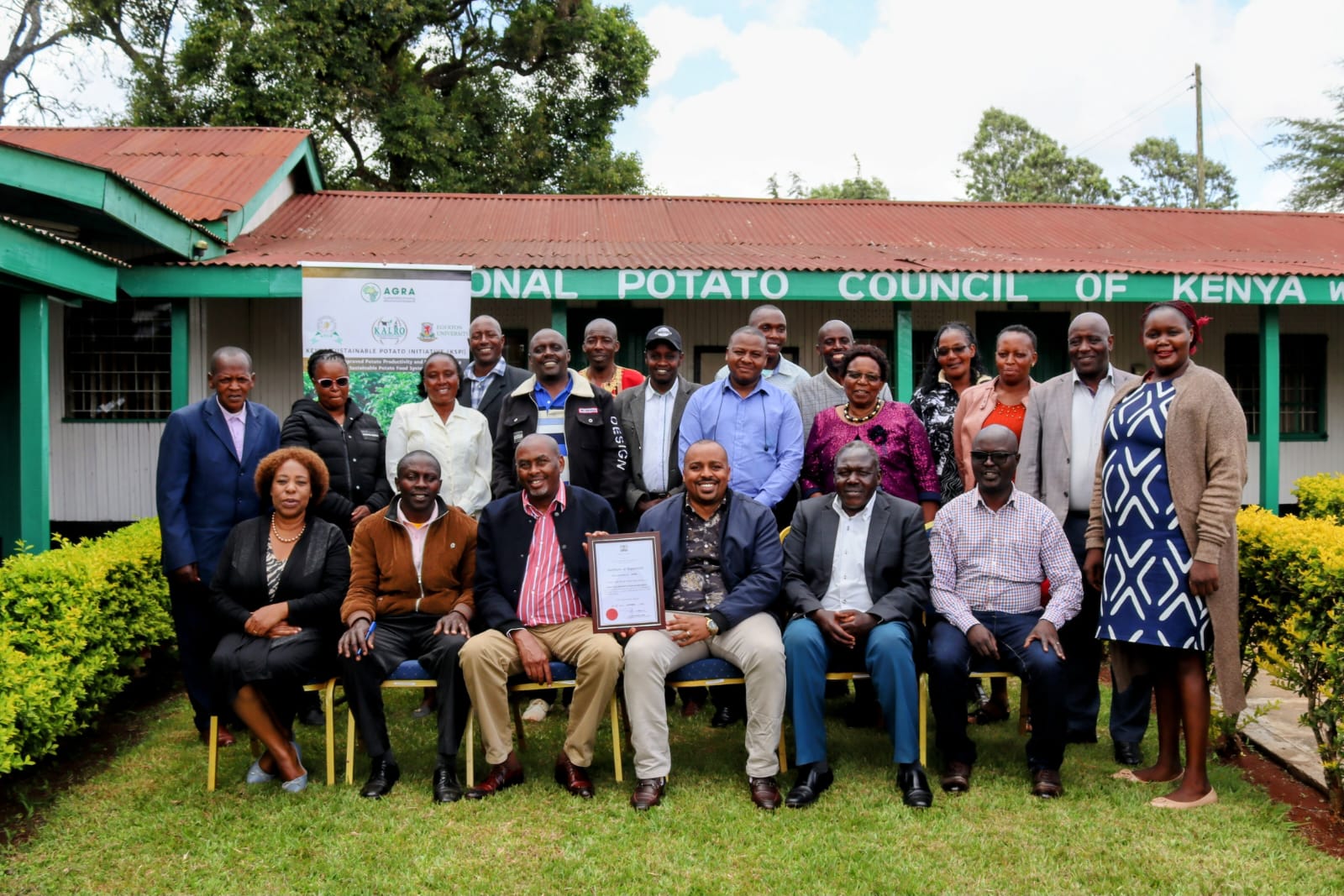
Recognizing the importance of strong and well-structured farmer organizations, the National Potato Council of Kenya (NPCK), through the Kenya Sustainable Potato Initiative (KSPI) project, is actively supporting the reorganization, restructuring, profiling, and onboarding of farmer groups, aggregation hubs, and cooperatives. This initiative is aimed at strengthening collaboration, improving operational efficiency, and enhancing access to critical inputs and services.
A key milestone in this journey is the establishment of the Usawa Potato Marketing Cooperative, which seeks to unify potato cooperatives across the country under one national umbrella. This move is expected to streamline production systems, strengthen market linkages and provide a unified voice in advocating for fair pricing and supportive agricultural policies that benefit smallholder farmers.
Financial inclusion is another major advantage of organized farmer groups. Well-structured cooperatives are more likely to attract credit facilities and investment opportunities from financial institutions and development partners. This access to finance enables farmers to expand their operations, invest in better inputs, and improve overall productivity.
Sensitizing members of the Usawa Potato Marketing Cooperative on the benefits of collective action is therefore critical. By embracing unity, transparency and effective governance, the cooperative can unlock new opportunities for its members, ensuring increased incomes, improved livelihoods, and long-term sustainability.
As Kenya continues to strengthen its agricultural sector, farmer-led cooperatives like Usawa will play a central role in driving transformation, resilience and inclusive growth. Through continued support, collaboration and capacity building, small-scale farmers can transition from subsistence to profitable agribusiness, securing a better future for themselves and the nation.