By Mercy Wambui,
 Mental health has become a growing public health concern, especially in rural communities facing food insecurity and economic challenges. While potatoes (Solanum tuberosum) are widely recognized as an important food and cash crop, their contribution to mental well-being is often overlooked.
Potatoes support mental health through several interconnected pathways. Nutritionally, they provide essential nutrients such as vitamin B6, vitamin C, potassium, and complex carbohydrates, which play important roles in brain function, neurotransmitter production, and mood regulation. Economically, potato farming offers relatively quick returns due to the crop’s short growth cycle and high productivity, helping households generate income and reduce financial stress.
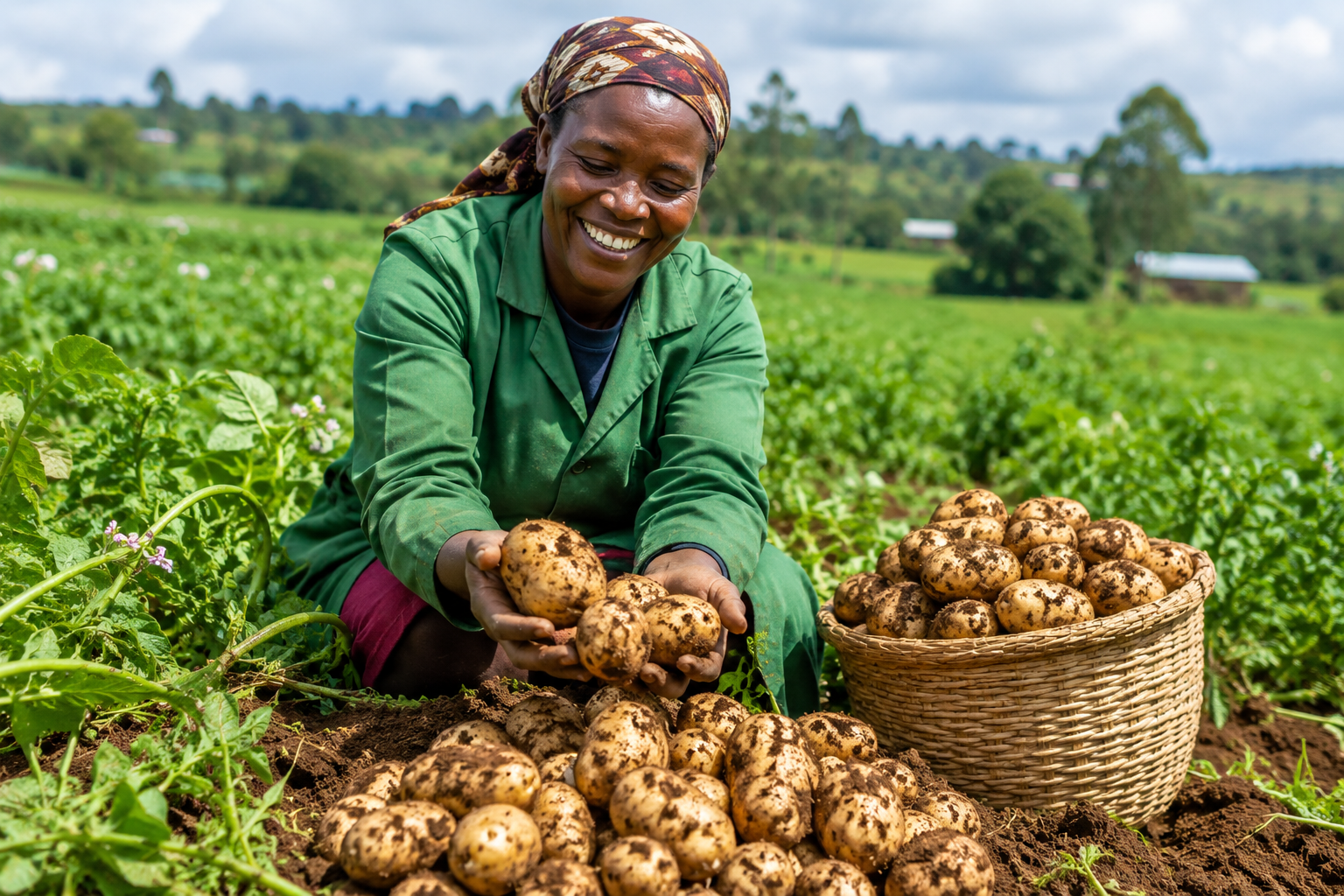
The crop also enhances food security by providing a reliable source of nutritious food, thereby reducing anxiety associated with food shortages. In addition, participation in potato production and marketing strengthens social networks such as demos and field days, promotes community engagement, and provides a sense of purpose and accomplishment among farmers.
Farming activities further contribute to mental well-being through physical exercise and interaction with natural environments, including beneficial soil microorganisms linked to stress reduction. Collectively, these nutritional, economic, and social benefits suggest that potato production and consumption can play a meaningful role in supporting mental health, highlighting the need to integrate mental well-being considerations into agricultural development programs and future research.